Furnace Disposal in Charlotte, NC
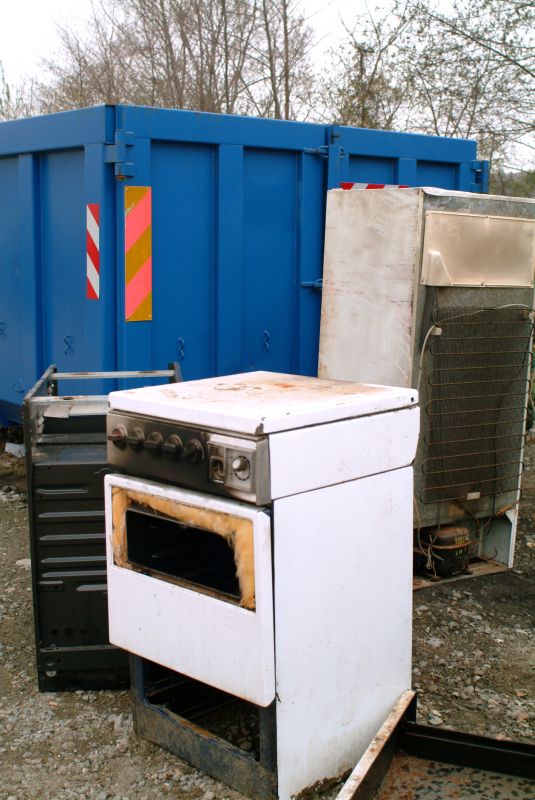
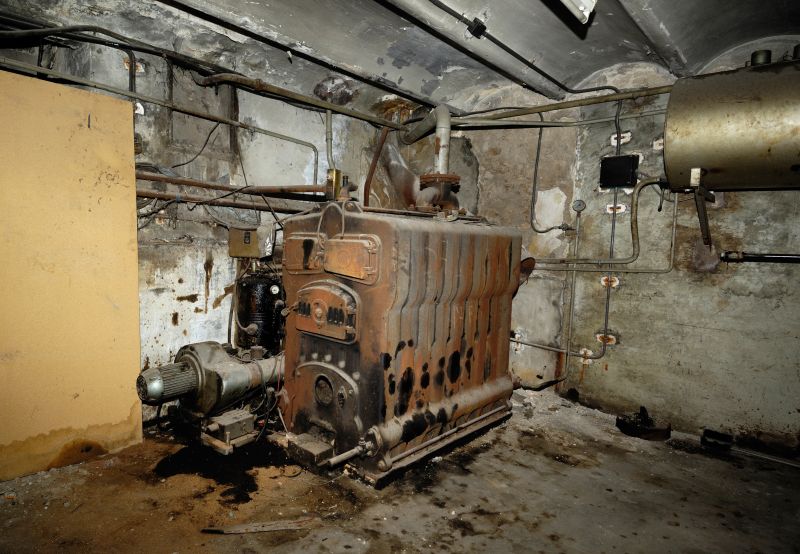
Furnace disposal services involve the removal and proper handling of outdated, broken, or unused heating systems from residential properties. These services typically cover projects such as replacing old furnaces, upgrading to newer models, or clearing out units that are no longer functional or needed. Homeowners should understand the scope of the removal process, including any necessary preparation of the space, disposal requirements, and whether the service includes the removal of associated components like ductwork or vents.
Before requesting furnace disposal, property owners usually want to know about the size and weight of the units being removed, as well as any potential impact on surrounding areas or structures. It’s also helpful to clarify if the service includes cleanup after the removal and how the old equipment will be disposed of or recycled. Understanding these details can ensure the project proceeds smoothly and aligns with the property's needs.
Many property owners in Charlotte, NC look into Furnace Disposal for repairs, replacements, upgrades, and appearance-related improvements.
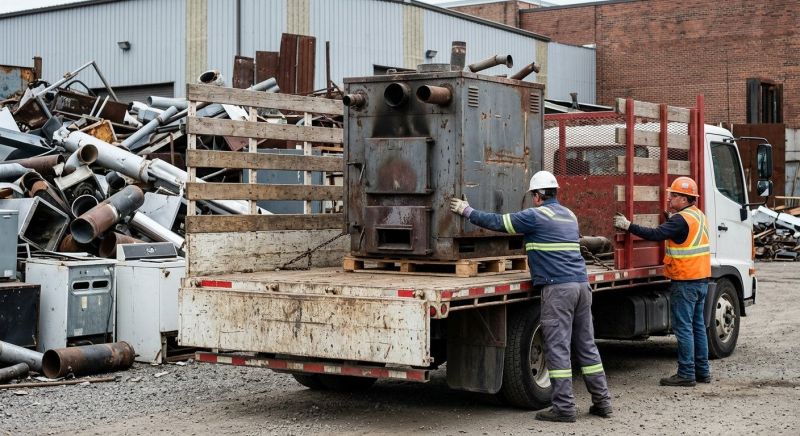
Furnace Removal Options
Professional services handle complete furnace disposal for residential and commercial properties in charlotte, nc.
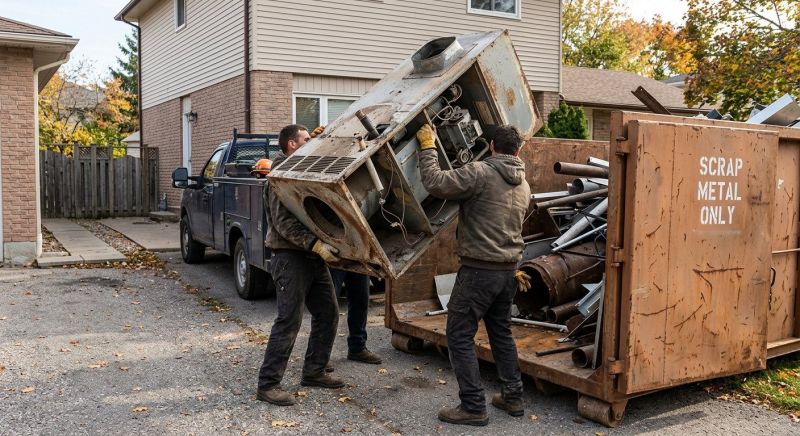
Safe Disposal Practices
Proper removal ensures hazardous materials are managed safely and in compliance with local regulations.
Cleanup And Site Restoration
Post-disposal cleanup restores the area and prepares the space for new heating systems or other uses.
Furnace Disposal in Charlotte, NC
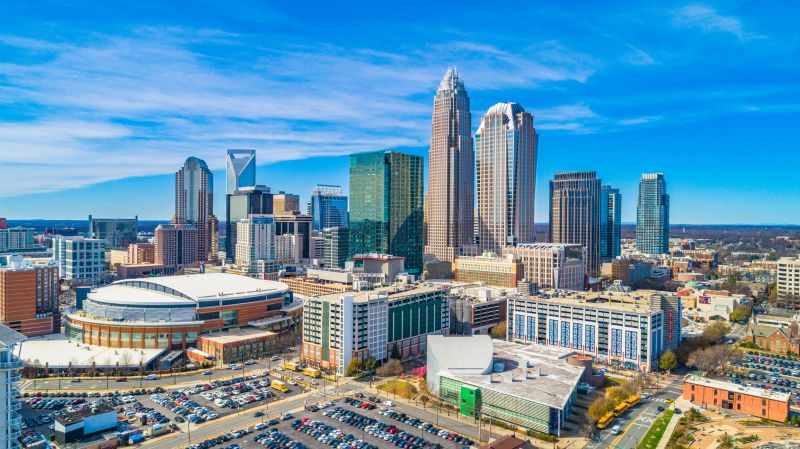
Furnace disposal services involve the removal and proper handling of outdated, broken, or unused heating systems from residential properties. These services typically cover projects such as replacing old furnaces, upgrading to newer models, or clearing out units that are no longer functional or needed. Homeowners should understand the scope of the removal process, including any necessary preparation of the space, disposal requirements, and whether the service includes the removal of associated components like ductwork or vents.
Before requesting furnace disposal, property owners usually want to know about the size and weight of the units being removed, as well as any potential impact on surrounding areas or structures. It’s also helpful to clarify if the service includes cleanup after the removal and how the old equipment will be disposed of or recycled. Understanding these details can ensure the project proceeds smoothly and aligns with the property's needs.
Many property owners in Charlotte, NC look into Furnace Disposal for repairs, replacements, upgrades, and appearance-related improvements.
Common Furnace Disposal Jobs
Furnace Removal - complete disassembly and removal of outdated or broken furnaces from residential or commercial properties.
Decommissioning Services - safely disconnecting and preparing old furnaces for disposal or recycling.
Old Furnace Disposal - environmentally responsible disposal of obsolete heating equipment.
Furnace Demolition - partial or full demolition of furnace units during renovation projects.
Hazardous Material Handling - managing and disposing of any hazardous substances found in old furnace components.
Equipment Recycling - recycling of metal and other materials from discarded furnace units.
Furnace Disposal Questions
What types of furnaces can be disposed of? The service handles various types of residential and commercial furnaces, including gas, electric, and oil models.
Is furnace disposal suitable for old or broken units? Yes, the service is designed for removing outdated, broken, or inefficient furnaces that need to be replaced.
What should property owners do before disposal? It is recommended to disconnect power and ensure the furnace is safely shut off prior to removal.
Are there any restrictions on furnace disposal? Restrictions depend on local regulations; it’s advised to check if any special disposal requirements apply in the area.
Request Furnace Disposal in Charlotte, NC
Use the quote form on this page to share the basics of your project and request more information for the type of work you need.